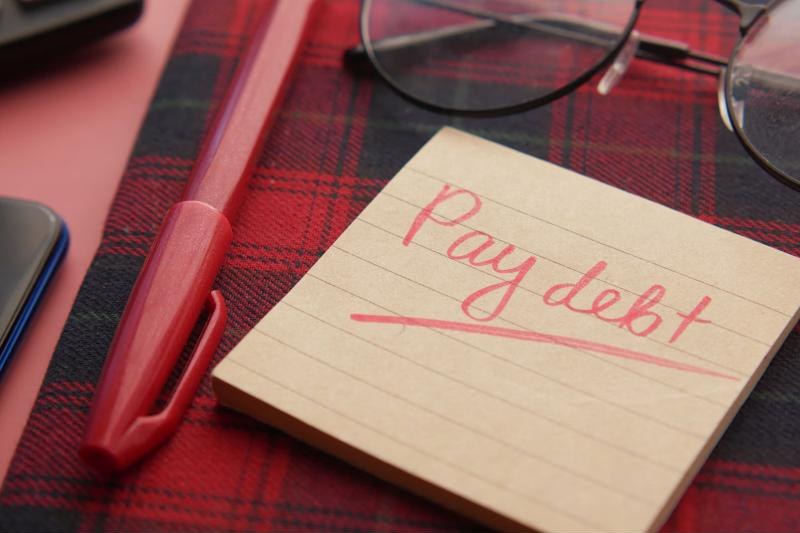
Carrying balances on several credit cards, a car loan and perhaps a personal loan can feel overwhelming. Each month the payments go out, yet the balances seem to shrink slowly. Having a clear repayment strategy changes that. Two of the most popular approaches are the debt snowball and the debt avalanche. Both can help you become debt-free faster, but they work in different ways and appeal to different personalities.
Before choosing a method, make a complete list of your debts. Write down each balance, its interest rate and its minimum monthly payment. Then decide how much extra money you can put toward debt each month beyond the minimums. Even a modest extra amount, applied consistently, can shorten your payoff timeline by months or years and save a significant amount in interest.
How the debt snowball works
With the debt snowball method, you list your debts from the smallest balance to the largest, regardless of interest rate. You make minimum payments on everything and put all of your extra money toward the smallest balance. Once that debt is paid off, you roll its payment into the next smallest balance, and the amount you are paying grows like a snowball rolling downhill.
The biggest advantage of the snowball method is motivation. Paying off a balance completely, sometimes within just a few months, delivers a real sense of progress. For many people, those early wins make it easier to stay committed to the plan. Behavioral research suggests that this sense of momentum can be just as important as the math when it comes to finishing the job.
The best debt payoff plan is the one you will actually stick with until the very last payment.
How the debt avalanche works
The debt avalanche method focuses on interest rates instead of balances. You list your debts from the highest interest rate to the lowest and direct all extra money to the most expensive debt first. When it is paid off, you move on to the next highest rate. Because you eliminate the costliest interest first, the avalanche method usually saves the most money and can shorten the overall payoff time.
The trade-off is that your first victory may take longer, especially if your highest-rate debt also has a large balance. Some people find that waiting for that first payoff tests their patience. A practical middle ground is to start with one small balance for a quick win and then switch to the avalanche approach for the remaining debts.
Whichever method you choose, a few habits will help. Stop adding new charges to the cards you are paying off, automate your payments so you never miss a due date and look for ways to boost your debt payment, such as using a tax refund or a raise. A debt consolidation loan at a lower fixed rate can also simplify repayment and reduce interest when your credit qualifies.
The advisors at Smart Finance Place can review your debts, compare payoff strategies and help you decide whether consolidation makes sense. Contact us for a free debt-planning consultation.